


Your business has multiple AI agents working independently. A customer service agent handles support tickets. An inventory agent tracks stock levels. A billing agent processes payments. Each one works well on its own.
But what happens when a customer calls about a billing issue that's connected to a delayed shipment that requires inventory adjustments? Right now, those three enterprise AI agents can't coordinate to solve the problem together.
The Agent Coordination Challenge
Every business deploying multiple AI agents runs into the same wall: getting them to work together effectively. Your agents exist in silos, each handling their specific tasks but unable to collaborate when business problems span multiple areas.
The result is inefficiency and missed opportunities. Customer issues that require coordination between departments still need human intervention. Complex business processes that could be automated end up with manual handoffs between different agent systems. Strategic insights that could emerge from combining data across multiple agents remain undiscovered.
Most organisations respond by building custom communication systems between their agents. Sales teams create one approach, operations teams build another, and IT develops a third. Each solution works for its specific use case but creates an increasingly complex web of incompatible systems.
The Benefits of Agent-to-Agent Communication
When agents can communicate effectively, enterprise AI operations transform in fundamental ways:
Seamless problem resolution: Customer issues get resolved faster when support agents can instantly coordinate with billing agents, inventory agents, and logistics agents without human intervention.
Intelligent workflow automation: Complex business processes that currently require multiple department coordination can run automatically, with agents passing context and responsibilities seamlessly.
Enhanced decision making: Strategic insights emerge when agentic AI systems combine their specialised knowledge, providing executives with comprehensive analysis that spans the entire organisation. Learn more about agentic AI for business here.
Scalable operations: As your business grows, enterprise AI agents can handle increased complexity without requiring proportional increases in integration work or human coordination.
Cost reduction: Eliminate the manual handoffs and coordination overhead that currently bridge gaps between isolated agent systems.
In "The Age of Autonomy," I envisioned this level of agent coordination becoming mainstream by 2028 Elara working seamlessly with specialist diagnostic agents, pharmacy coordination systems, and emergency response networks, all maintaining shared context while contributing their unique expertise.
The Standardisation Solution
The chaos of custom agent communication systems is driving demand for standardisation, similar to how the early internet needed protocols like HTTP to enable universal communication between different systems.
Agent-to-Agent (A2A) protocols are emerging to provide this standardisation layer. These protocols define how AI agents discover each other, establish secure communication channels, transfer context, and coordinate complex workflows regardless of which framework or platform they are built on. Read Google's official A2A protocol announcement.
The standards address the core challenges every organisation faces when building multi-agent systems: authentication between agents, context preservation during handoffs, task coordination to avoid conflicts, and error handling when communication fails.
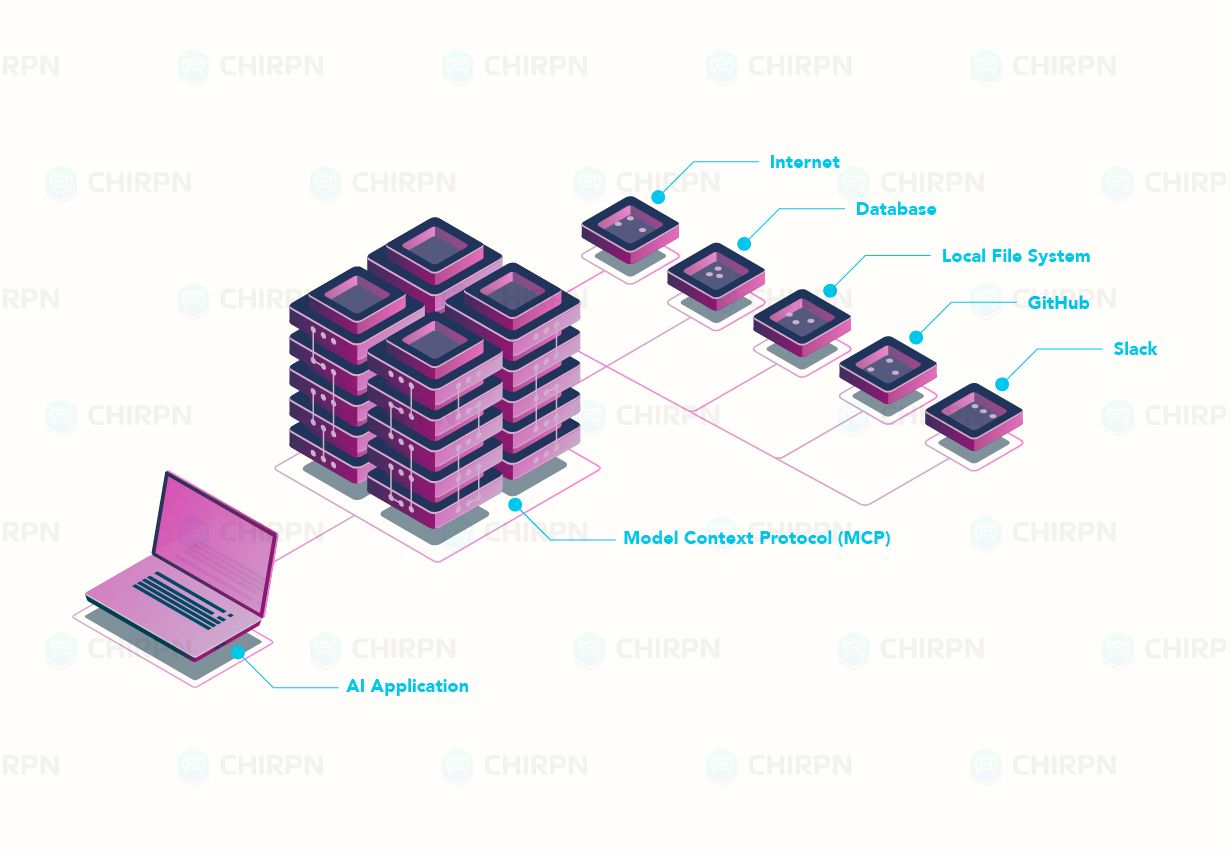
When A2A protocol adoption becomes widespread, your CrewAI agents will be able to communicate seamlessly with partners' LangGraph agents, vendors' AutoGen agents, and any other enterprise AI agents running on compatible frameworks. The custom integration work that currently consumes engineering resources will become unnecessary. Explore the MCP architecture for AI agents here.
Early-Stage Adoption
A2A protocols are still in early development. Google's A2A protocol launched with major technology partners in April 2025, but adoption remains limited to forward-thinking organisations.
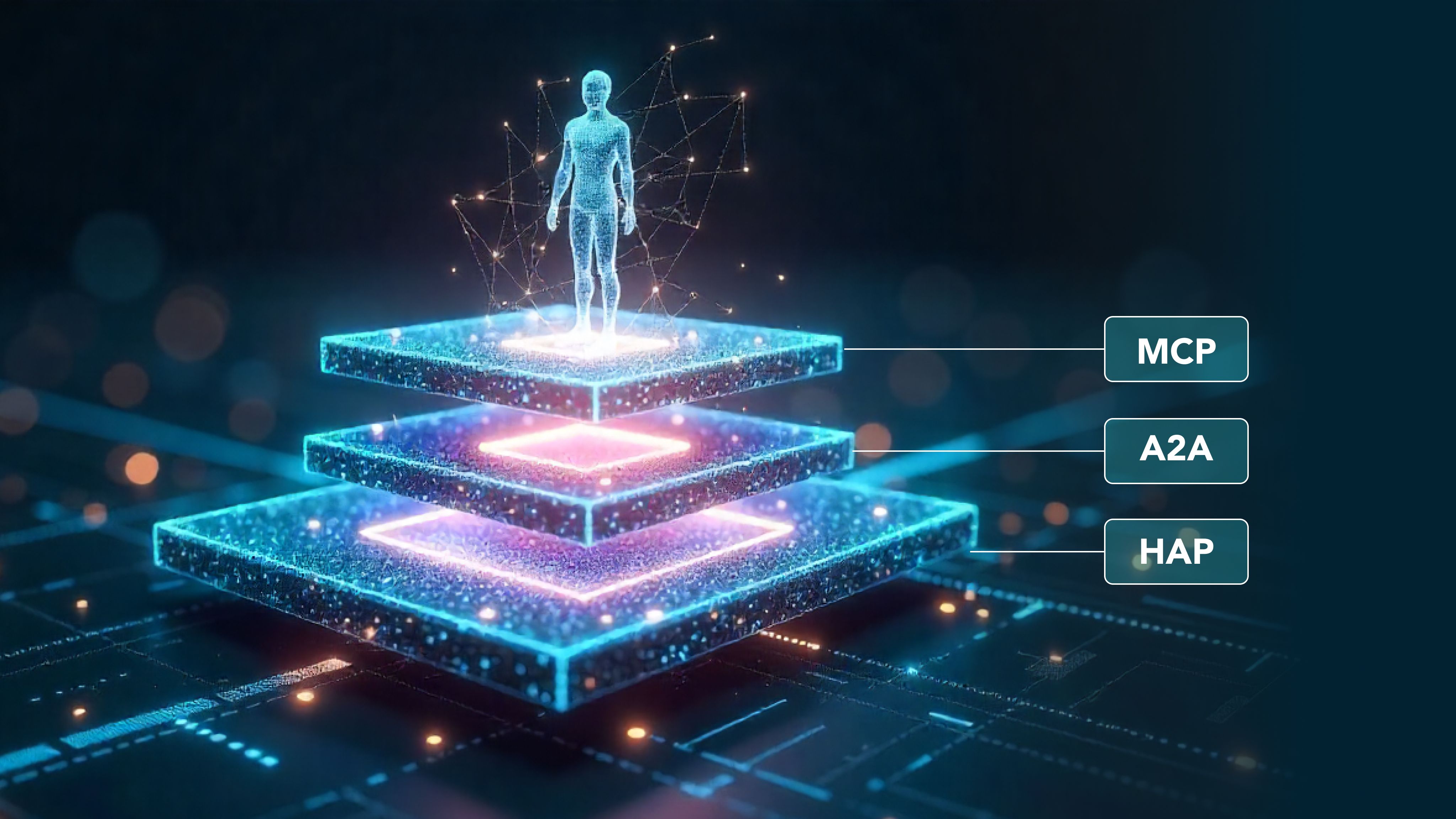
Three complementary protocols are now established: MCP (Model Context Protocol), introduced by Anthropic in November 2024, standardizes how AI agents connect to external tools and data sources. Google's A2A (Agent-to-Agent protocol) standardizes how agents communicate with each other across frameworks and vendors. IBM introduced ACP (Agent Communication Protocol) via its BeeAI project under the Linux Foundation, an open, enterprise-oriented standard covering RESTful agent interfaces, lifecycle management, and capability-based security. The ecosystem is still maturing, but the three-protocol landscape is becoming clearer.
See TechRadar's guide on the Model Context Protocol and its impact on enterprise AI.
Most businesses have not yet considered how their AI agents will communicate with each other, much less evaluate compatibility with emerging A2A or MCP standards. This creates a significant opportunity for early adopters who understand the strategic value of enterprise AI agent interoperability.
The businesses that design their systems with A2A protocol compatibility now will be positioned to leverage agentic AI networks as they mature. Those that continue building custom communication solutions will face increasing integration costs as the ecosystem standardizes.
Preparing for the Agent Network Future
Start by identifying the workflows in your organisation that currently require coordination between different systems or departments. These represent the highest-value opportunities for AI agent collaboration once standardised communication protocols are in place.
Evaluate your current agent implementations against emerging A2A protocols and MCP standards. If you are using frameworks like CrewAI, LangGraph, or AutoGen, assess how they might integrate with standardised communication systems.
Most importantly, avoid building complex custom communication systems between your agents. The A2A standards emerging will provide far more robust collaboration capabilities than any proprietary solution you could develop internally.
The vision from "The Age of Autonomy" of seamless agent coordination is becoming reality but it requires the right infrastructure. The businesses that prepare for standardised agentic AI communication now will be ready to deploy collaborative intelligence networks when A2A protocols reach mainstream adoption.
Your competitors are building isolated enterprise AI agents with custom communication systems. You could be preparing for the AI-powered agent networks that will define business operations in the next few years.